 Points Reviews

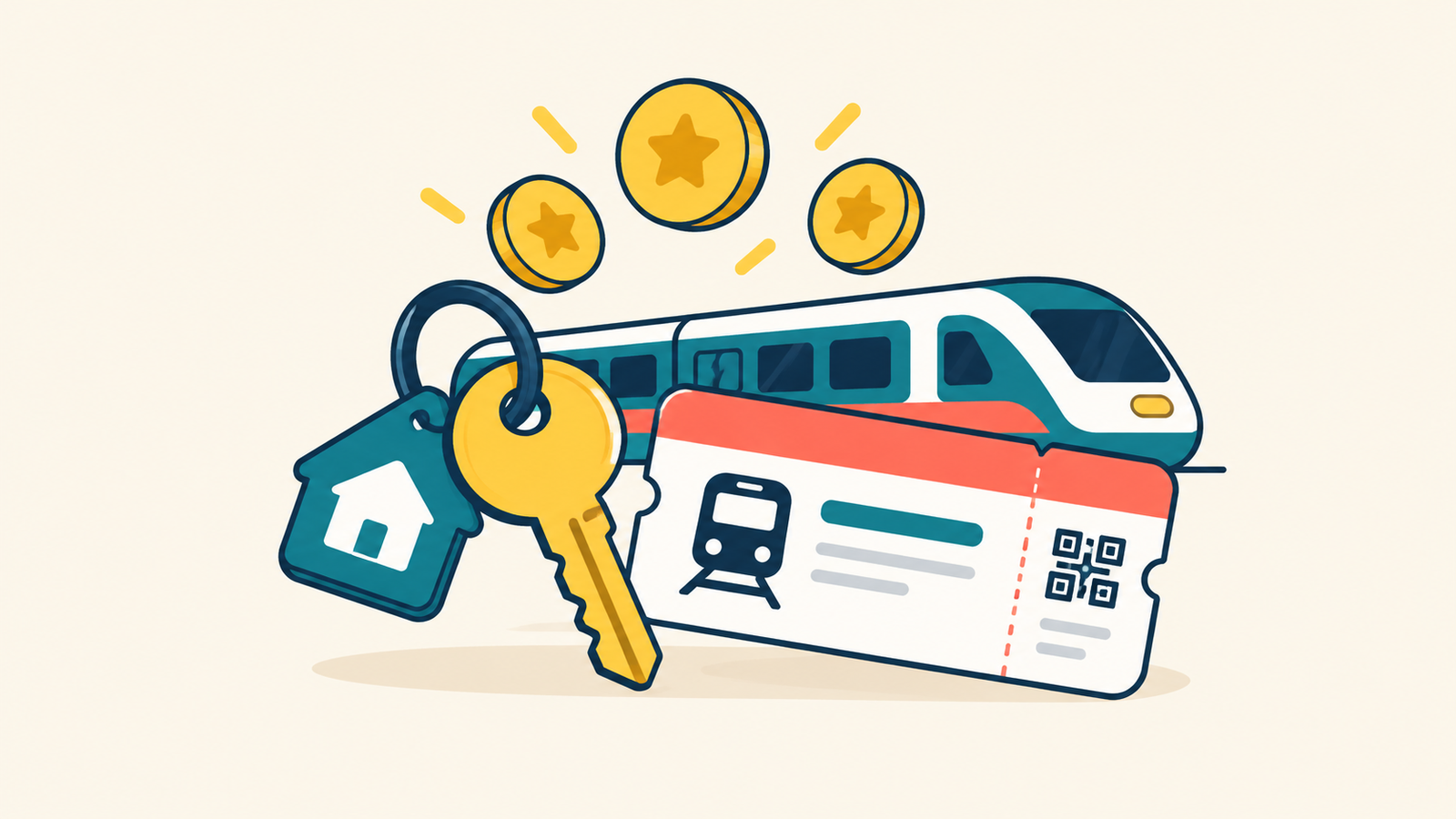
A credit card product change swaps an existing card for a different card from the same issuer without closing the account. For anyone facing an annual fee they no longer want to pay, it is the main alternative to cancelling, and it can keep the credit history and credit limit that cancelling would remove.
What a product change is
Cancelling closes the account. A product change keeps the same account open but converts it into another card, usually one with a lower annual fee or none at all. The account number may change, but the account itself, with its age and payment record, continues. Issuers generally treat the switch as a servicing request made through the app, a secure message or the number on the back of the card, not as a new application.
Because it is not a new application, a product change normally does not come with a new sign-up bonus. The new card's welcome offer is typically reserved for new accounts.
Why closing a card can cost more than the fee saved
Credit scores are built from several pieces. In FICO's published breakdown, payment history is 35% of a score, amounts owed 30%, length of credit history 15%, new credit 10% and credit mix 10%. Closing a card touches the "amounts owed" piece directly.
Utilization is the share of available credit currently in use. Closing a card removes its credit limit from the total, so the same balances now sit against a smaller limit. FICO's own example shows utilization rising from 30% to 57% after an unused card with a $3,000 limit is closed. A product change leaves that limit in place in most cases, so utilization stays where it was.
Closing a card does not erase its history overnight. FICO notes that payment history and balances on accounts with a closed status are still considered. FICO also says it never recommends closing a card for the sole purpose of raising a score, so cancelling is not a score-building move.
Who a product change fits
- Anyone paying a fee for perks they stopped using. Moving from a fee card to a no-fee card in the same family keeps the line of credit open at no yearly cost.
- Anyone who wants to keep points. Rewards earned on a card are often kept when the switch stays within a family that earns the same type of points, though what happens to a balance depends on the issuer and the two cards involved.
- Anyone with a short credit history. Keeping an older account open protects the average age of accounts.
The catches
- Same family, usually. Many issuers limit changes to cards in the same product family, and some do not allow a switch between a co-branded airline or hotel card and a bank-branded card. Which options appear depends on the issuer and the specific card.
- Timing around the fee. A change made shortly after an annual fee posts may allow a refund of that fee, while one made later may not. Policies differ by issuer, so the date the fee posts is worth checking before the switch.
- No fresh bonus. A product change is not a way to collect another welcome offer.
- Perks end with the old card. Lounge access, travel credits, free-night certificates and the earning rates tied to the old card stop once the card converts. Unused credits are not guaranteed to carry over.
- Not every account qualifies. Some issuers expect the account to be open for a set period before a change, and a few accounts have no lower-fee version to move to.
When closing still makes sense
If no cheaper version exists, or the card has a small limit and the household carries low balances on other cards, closing can cost very little. The more of a household's total credit limit the card represents, the more the closure shows up in utilization. If a card is closed, any remaining balance still has to be paid, and a balance carried after closing keeps accruing interest.
How to decide
Before the annual fee posts, the choice comes down to a few questions. If the perks no longer cover the fee, a cheaper card in the same family is the usual first option. If the card holds a large share of the household's total credit limit, a product change protects that limit. If the card is a small, unused account with a fee and no cheaper version, closing may be the cleaner end. In every case, asking the issuer which cards the account can move to costs nothing and does not require a decision on the call.
Fees, perks and product-change rules differ by issuer and change over time, as of October 2026, so the issuer's own terms are the source for any single card.
Short videos on travel points are on YouTube at @PaulsPoints.